


Standard, Premium, High Surge or Live Monitoring: Which VKP Model Fits Your Site?
November 19, 2026
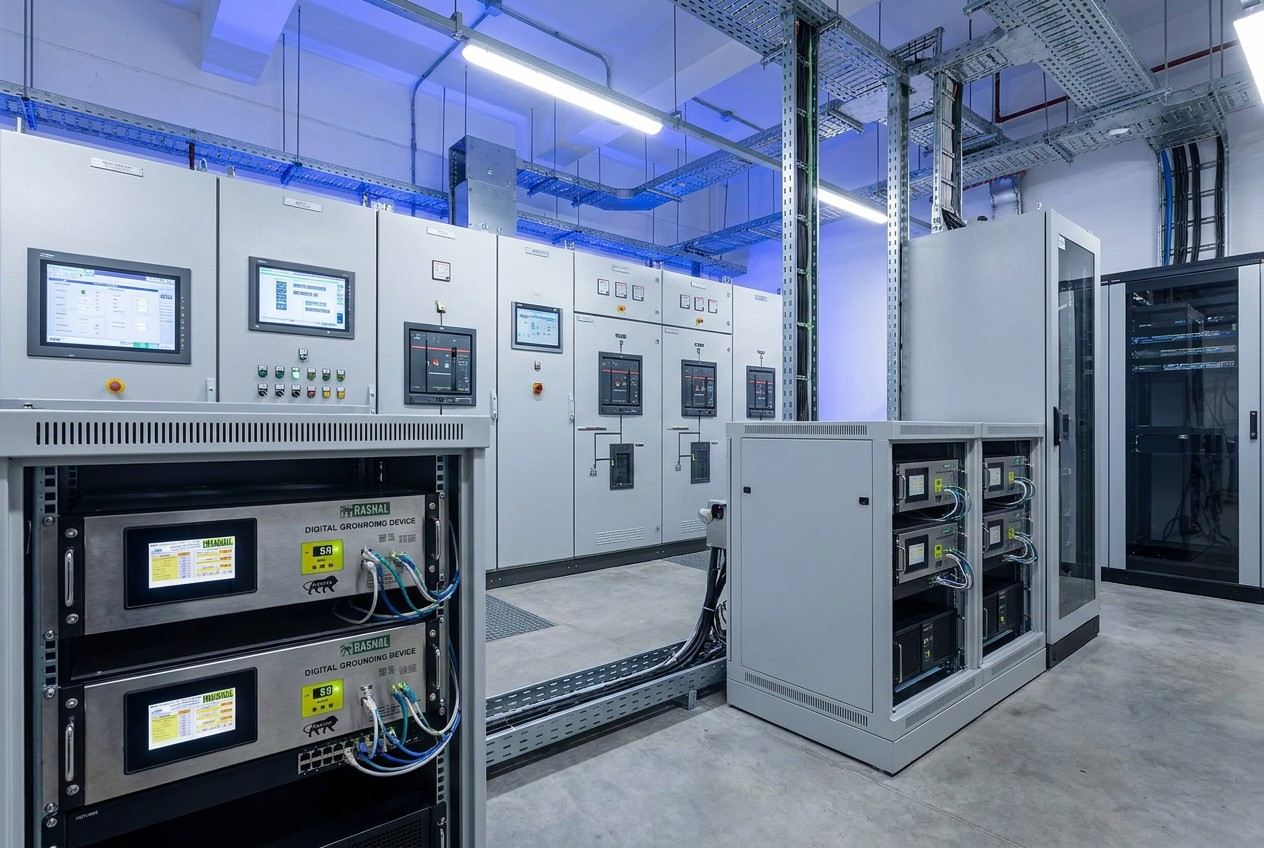
Start with the standard VKP unless your site gives you a clear reason to step up. Rasnal's digital grounding device models all share the same protection platform. What changes from one model to the next is how much surge energy it can handle, how much it tells you, and where it can be installed.
Here is the short version. Choose the standard VKP-1-AC or VKP-03-AC for most indoor boards. Choose Premium if you need to see and record surge events, raise an alarm or connect to SCADA or a BMS. Choose High Surge if your site sits in heavy lightning country or keeps losing equipment to surges. Choose Live Monitoring if you must prove earth health for audits. Choose the DC or IP66 model if the supply is DC or the unit has to live outdoors.
The rest of this guide explains each step up, so you pay for what your site needs and nothing it does not.
One Platform, Five Ways to Buy It
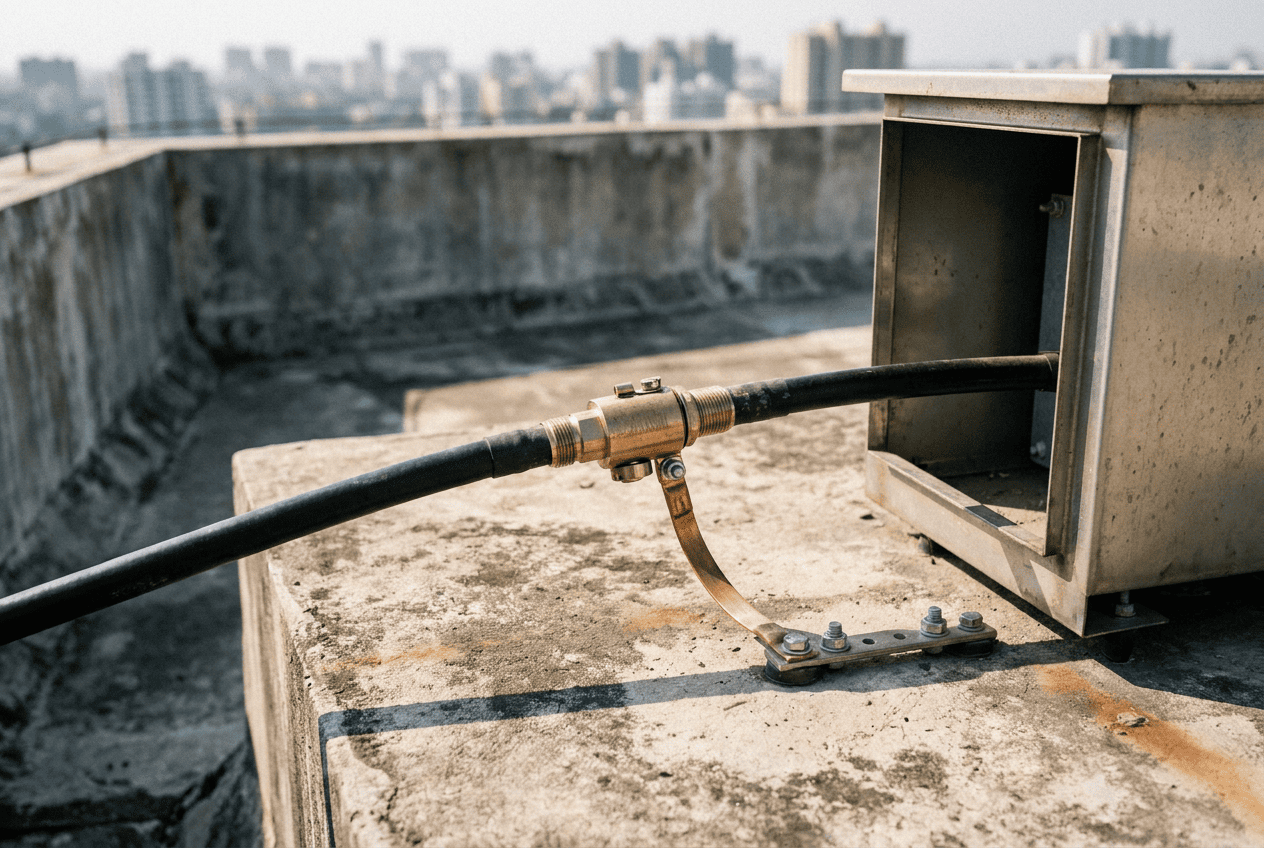
Every VKP model works on the same idea. Rasnal describes it as an energy conversion principle: the device detects a surge coming in on power wiring or conductive paths, converts the surge energy into low heat and dissipates it through a low impedance ground. It also bonds connected equipment to one common reference, removes static charge and gives leakage current a defined path. According to Rasnal, no separate grounding rod is needed in most installations.
So the question is not "which model protects better" in a general sense. It is "which features and capacity does my site need on top of that core protection".
All figures come from Rasnal's product pages. Check the latest datasheet before you order.
The Standard Models: The Right Start for Most Boards
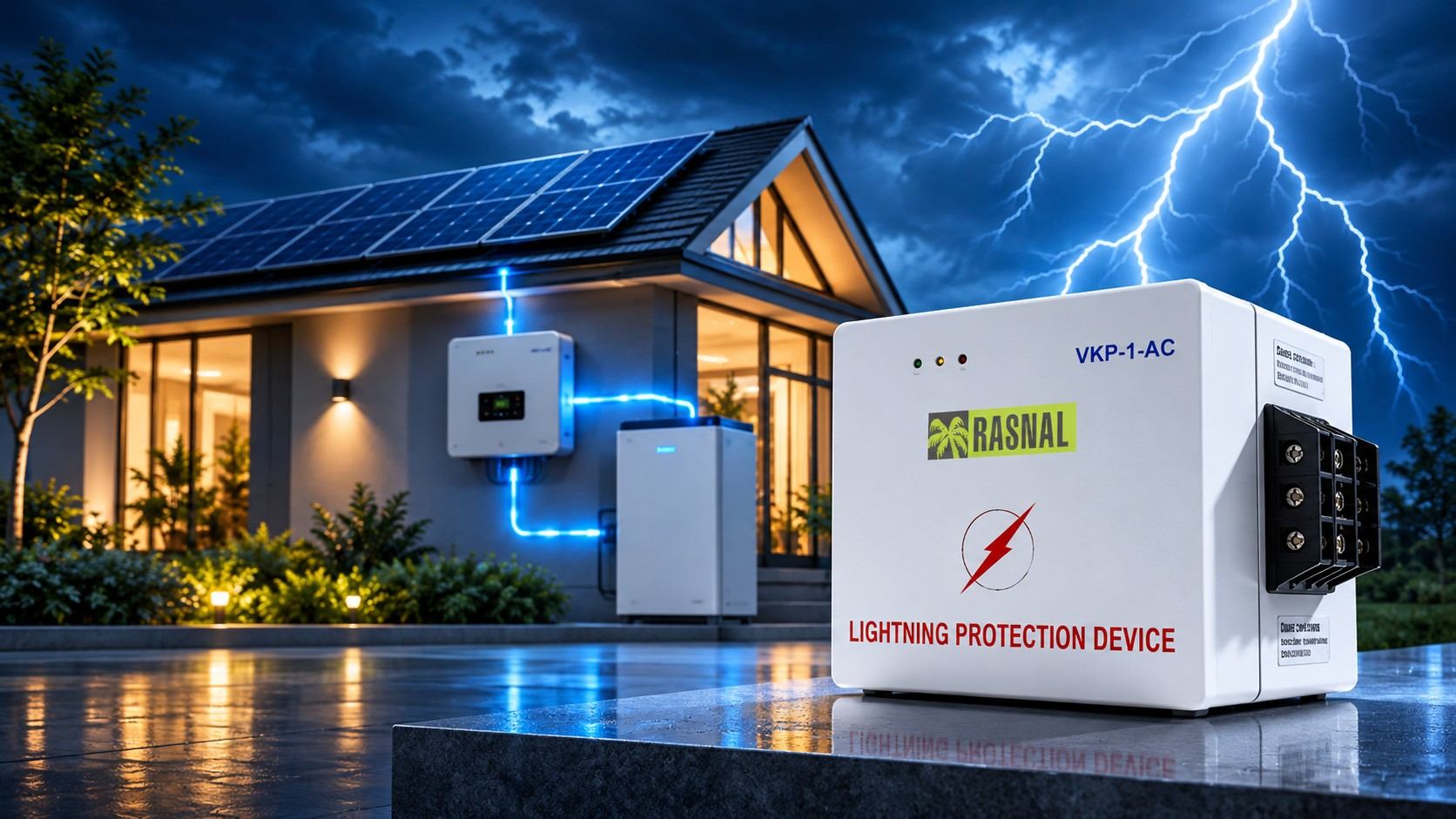
The standard range is two units. The VKP-1-AC is for single phase boards rated 100 to 275 V AC. It covers three modes of protection (L-N, L-E and E-N) with 120 kA maximum surge handling capacity. The VKP-03-AC is for three phase, four wire boards rated 380 to 415 V AC. It covers seven modes with 240 kA.
Both include LED status indication and a 6 digit, 7 segment LCD surge counter, so you can see at a glance that the unit is working and how many surges it has handled. Both list an impulse response time under 25 nanoseconds and an operating range of -40 to +90 °C. Rasnal states they are tested in an NABL accredited laboratory to IEC 61643-11, the international standard for surge protective devices on AC low voltage systems, and approved under the Indian military standard JSS 55555-2012.
Who it suits: homes, shops, clinics and small offices, CCTV and network boards, EPABX rooms, and most factory sub-boards. If nobody needs to read surge data remotely and lightning exposure is normal, this is the sensible choice.
When to step up: if the counter alone is not enough information, if the site is unmanned, or if surge damage keeps happening even with protection in place.
Premium: When You Need to See What Happened
The VKP Premium range adds visibility. Rasnal describes it as a device that tells you what happened, when it happened and whether the grounding system is working correctly.
What Premium adds over the standard models:
- A 128x64 OLED display with green and red status LEDs, so status is readable on the device itself.
- A lightning and surge current counter with a detection range of 0.3 kA to 50 kA (8/20 µs). This records surge events rather than only counting them.
- Hooter alarm connectivity. The device can trigger an external hooter when it detects a surge, which helps on large or remote sites where nobody is looking at the panel.
- RS-485 with the MODBUS protocol. The unit can join an existing SCADA or BMS as a MODBUS slave device and share surge counts and status remotely. MODBUS is a widely used open protocol in industrial and building automation.
There are four Premium models. The VKP-01-PREMIUM (single phase, 120 kA) and VKP-03-PREMIUM (three phase, 240 kA) match the standard capacities. The VKP-01-480-PREMIUM and VKP-03-480-PREMIUM combine the Premium features with 480 kA capacity.
Who it suits: facility teams in hospitals, airports and commercial buildings that run a BMS; plants with SCADA; data centres that track every event; and anyone who needs surge records for compliance files or maintenance planning.
A useful way to decide: if your maintenance team would act differently once they knew how often and how hard surges hit a board, Premium pays for itself in better decisions. If nobody will look at the data, the standard model is enough.
High Surge: When Standard Capacity Is Not Enough
The VKP High Surge range raises the surge handling ceiling. Rasnal offers 480 kA and 560 kA versions for both single phase (VKP-01-480, VKP-01-560) and three phase (VKP-03-480, VKP-03-560) supplies.
Rasnal lists the environments this range is built for:
- High lightning density areas, including tropical and coastal regions with frequent multi-stroke strikes
- Tower-mounted and ground-level telecom equipment that must stay up 24x7
- Defence and critical government installations
- Large industrial and automation plants where one surge can cascade across connected equipment
- Remote and isolated facilities where ground potential rise is common
- Sites that already have a history of surge damage
That last point is the most practical test. If a site with a standard unit still loses cards, power supplies or drives after storms, a higher capacity device is the logical next step. Many lightning flashes contain more than one stroke, and Rasnal's own lightning page notes that multi-stroke lightning is now common. Repeated strokes in one event add up, which is where extra capacity helps.
Who it suits: telecom tower operators and ISPs, hilltop and coastal sites, defence projects, and large plants in storm-prone regions. EPC contractors designing for these areas often specify capacity at the design stage, guided by a lightning risk assessment under IEC 62305.
Live Monitoring: When You Must Prove Earth Health
The Digital Grounding Device with Live Monitoring is the most advanced option. It keeps full VKP surge protection and adds continuous measurement of the grounding system itself.
According to Rasnal, it shows these on a 4 inch industrial touchscreen and over your LAN:
- Live earth resistance
- Earth to neutral voltage
- Surge event count and surge magnitude
- Power parameters and system status
It logs everything with date and time stamps, keeps the last 3 months of data viewable on the device, and exports to USB, PDF or Excel. If earth resistance rises above a preset threshold, it triggers an alarm through a NO/NC relay output and records the event.
This matters because earth pits change. Resistance rises in dry months, connections corrode, and nobody notices until the next fault. Continuous monitoring turns grounding from something you test once a year into a number you can watch every day.
Who it suits: hospitals and healthcare facilities with electrical safety audits, data centres with uptime commitments, government and defence sites, and telecom operators who manage many remote locations. Rasnal states that the device's logging and export features support the audit requirements typical of hospital environments.
DC and Outdoor: When the Site Is Not a Standard Indoor Panel
Two models cover installations outside the usual indoor AC board. Both are on Rasnal's DC and outdoor models page.
- VKP-01-DC for DC systems at 12 V, 24 V, 48 V or 110 to 175 V DC, with 120 kA capacity. Rasnal lists solar and battery storage systems, telecom base transceiver stations on -48 V DC, EV charging infrastructure and DC control systems.
- VKP-01-IP66 for outdoor single phase AC installations at 100 to 275 V AC, with 120 kA capacity. It has the same core protection as the VKP-01 in an IP66 enclosure, a rating defined under IEC 60529 for full dust protection and resistance to powerful water jets. Rasnal suggests it for outdoor CCTV, highway and border monitoring, and remote rural sites.
Rasnal is clear that a standard indoor unit installed outdoors without the right enclosure creates a protection gap, so pick the IP66 model rather than improvising a box.
Four Questions That Pick the Model for You
- Is the supply DC, or is the mounting point outdoors? If yes, start with the VKP-01-DC or VKP-01-IP66.
- Is lightning exposure high, or has the site already suffered surge damage? If yes, look at High Surge, or the 480 kA Premium models if you also want monitoring.
- Does anyone need surge data, alarms or MODBUS? If yes, choose Premium.
- Must you measure earth resistance and E-N voltage continuously for audits? If yes, choose Live Monitoring.
If the answer to all four is no, the standard VKP-1-AC or VKP-03-AC is the right buy. Match it to the board: single phase or three phase.
Matching Models to Real Sites
- A clinic or shop on a single phase supply: standard VKP-1-AC on the main board.
- A mid-size office building with a BMS: VKP-03-PREMIUM on the main LT panel, standard VKP-1-AC units on IT and CCTV sub-boards.
- A telecom tower in a lightning-prone hill area: a High Surge unit on the AC incomer and a VKP-01-DC on the -48 V DC system.
- A hospital: Live Monitoring on the critical supply boards, with Premium or standard units on other sensitive boards.
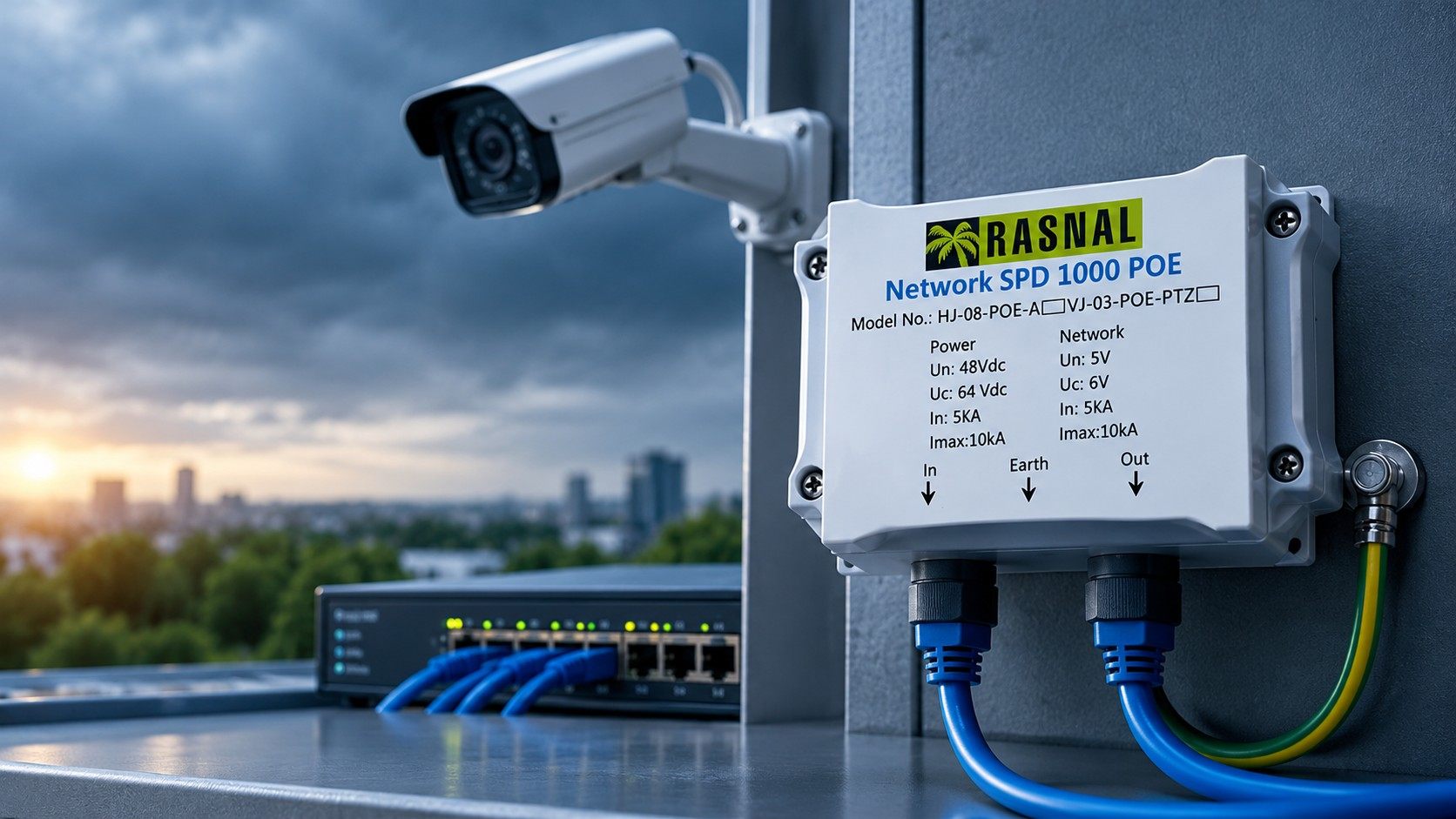
- A highway camera pole: VKP-01-IP66 at the pole, plus an RJ-45 surge protector for PoE++ on the camera's network line.
These are typical patterns, not fixed rules. Every site has its own load list and exposure, which is why a short site review before ordering is worth it.
Common Mistakes When Choosing a Model
- Buying the biggest number by default. Higher capacity costs more and is not needed on a normal indoor board in a low lightning area.
- Buying monitoring nobody will read. If there is no BMS, SCADA or maintenance routine, Premium features go unused.
- Ignoring history. A site that has already lost equipment to surges is telling you its exposure. Size for that, not for the average site.
- Using an indoor unit outdoors. Use the IP66 model for exposed locations.
- Forgetting signal lines. Power protection does not cover antenna or Ethernet cables. Add a coaxial surge protector or RJ-45 protector where those lines run outside.
Get the Right VKP the First Time
The standard VKP covers most boards well. Step up to Premium for visibility, to High Surge for capacity, to Live Monitoring for proof, and to DC or IP66 for special locations. Each step solves a specific problem, so the right model is the one that matches the problem your site actually has.
Not sure which one fits? Send Rasnal your site details: the supply type, what each board feeds, your location and any history of surge damage. You will get a clear model recommendation before you buy. You can also browse the full range on the Rasnal products page.
Internal and External Links Used
FAQs
Q1. Which Rasnal VKP model should I buy for a normal home or office?
For most homes, shops and offices, the standard model is enough. Use the VKP-1-AC on a single phase board and the VKP-03-AC on a three phase board.
Q2. What is the difference between the standard VKP and VKP Premium?
Both give the same core surge protection and grounding. Premium adds an OLED display, a surge current counter (0.3 to 50 kA), hooter alarm output and RS-485 MODBUS for SCADA or BMS.
Q3. When do I need a high surge digital grounding device?
Choose High Surge (480 kA or 560 kA) if your site is in a high lightning area, is remote or exposed, or keeps losing equipment to surges even with protection in place.
Q4. Can a digital grounding device monitor earth resistance?
Yes. Rasnal's Digital Grounding Device with Live Monitoring shows live earth resistance and earth to neutral voltage, logs data, exports reports and raises an alarm if resistance crosses a set limit.
Q5. Is there a VKP model for DC or outdoor use?
Yes. The VKP-01-DC covers 12, 24, 48 and 110 to 175 V DC systems, and the VKP-01-IP66 is an outdoor single phase AC model in an IP66 enclosure. Both handle 120 kA.
Explore Categories

Digital Grounding devices
Industrial & Network Solutions
Solar & Smart Energy
Fire Safety Systems
Surge Protection
CCTV & Security
Solar Energy