



Monsoon Lightning Protection for Electronics | Rasnal
September 14, 2026
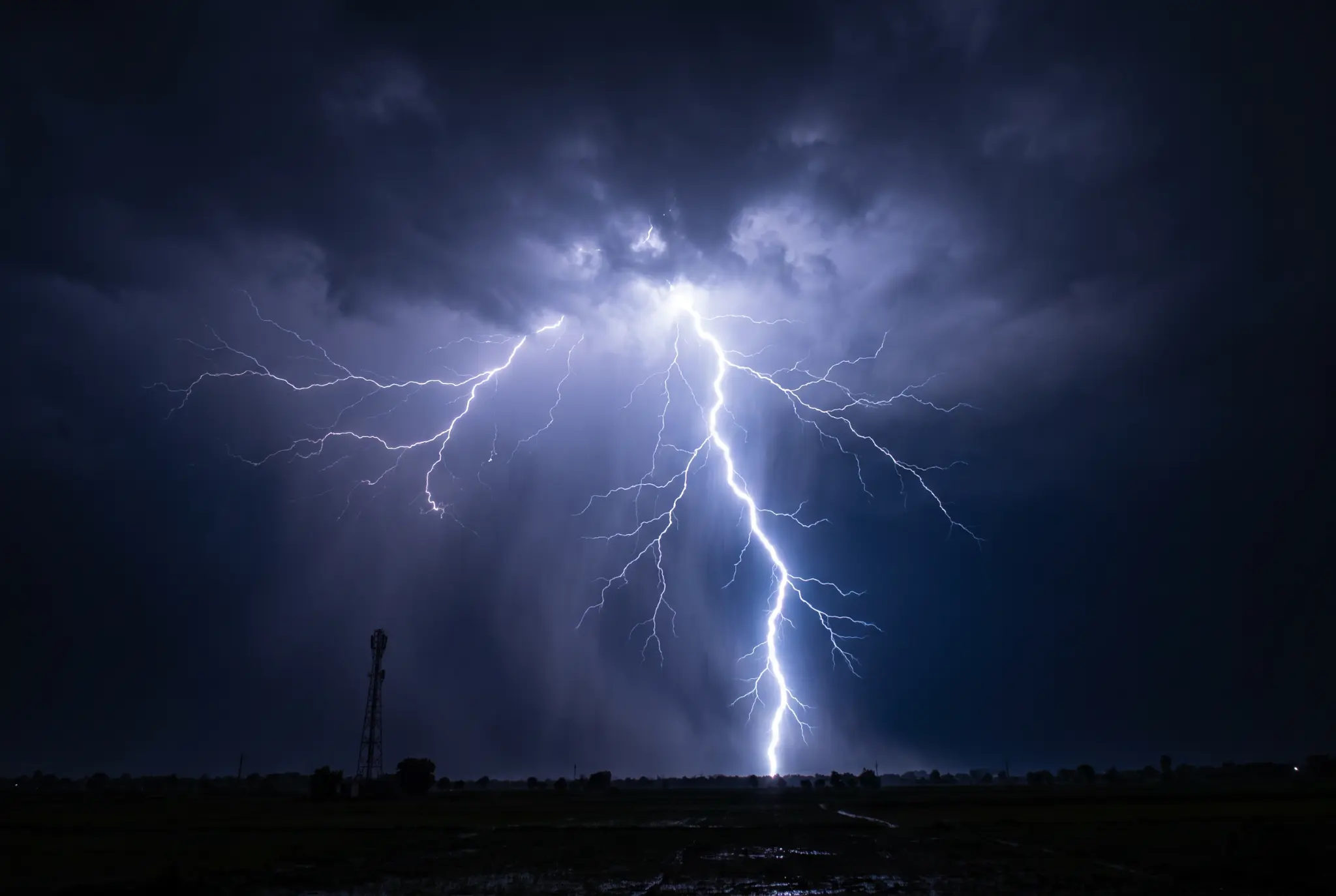
Every monsoon, lightning makes the evening news as a tragedy in a field. That story is real. It is also incomplete.
The same storm that hits a paddy field hits the feeder to a telecom shelter, the coaxial run to a PTZ camera, and the PoE switch behind a hospital NVR. The people in the building may be fine. The electronics often are not.
That is the gap this article is about: lightning protection for electronics not a public-safety lecture, and not a product brochure with the news glued on top.
What September 2026 already told us
Lightning did not stop in June.
On 13 September 2026, four people were killed by lightning in Palnadu district, Andhra Pradesh, as heavy rain moved across the state. The same evening, two farm workers died in Ujjain after standing under a tree in a storm. A few days earlier, a mahout and a homemaker were killed in separate strikes in Jalpaiguri. On 7 September, two women died in a paddy field in Seraikela-Kharsawan, Jharkhand.
Zoom out and the pattern is older than this week. Reporting based on NCRB figures puts lightning deaths in India above 2,000 every year since 2005. The 2024 count was 2,825. A single unseasonal storm in Uttar Pradesh on 13 May 2026 was linked to 111 deaths. Assam had already recorded dozens of lightning deaths by early July.
If you run a tower, a plant, a campus or a CCTV estate, treat those headlines as a load case. The atmosphere that is killing people in the open is also putting thousands of amps, for microseconds, onto metal that was never designed to carry them.
Two different problems: the bolt and the surge
Most site specs mix these up.
A direct strike is the bolt people picture an air terminal, a down conductor, a path to earth. That system protects the structure. It does not, by itself, protect the server, the radio, the DVR or the access controller.
An induced lightning surge is the quieter failure. A strike lands on a tree, a neighbouring bay, or the shield of a long coaxial run. The electromagnetic pulse puts a steep voltage onto power, data and RF lines. The pulse arrives at the equipment terminals. The board dies. There is no scorch mark on the roof. Maintenance writes “unknown fault” and replaces the PSU.
That second path is why a site can have a lightning rod and still lose a row of cameras every monsoon. The rod did its job. Nobody specified how to protect electronics from lightning strikes once the energy was already on the cable.
IEC 62305 describes this as zones. LPZ 0 is exposed outside. LPZ 1 and LPZ 2 are the rooms and racks where electronics live. Energy has to be stepped down at each boundary. A rod on the terrace is only the first boundary.
Why towers and CCTV fail in the same storm
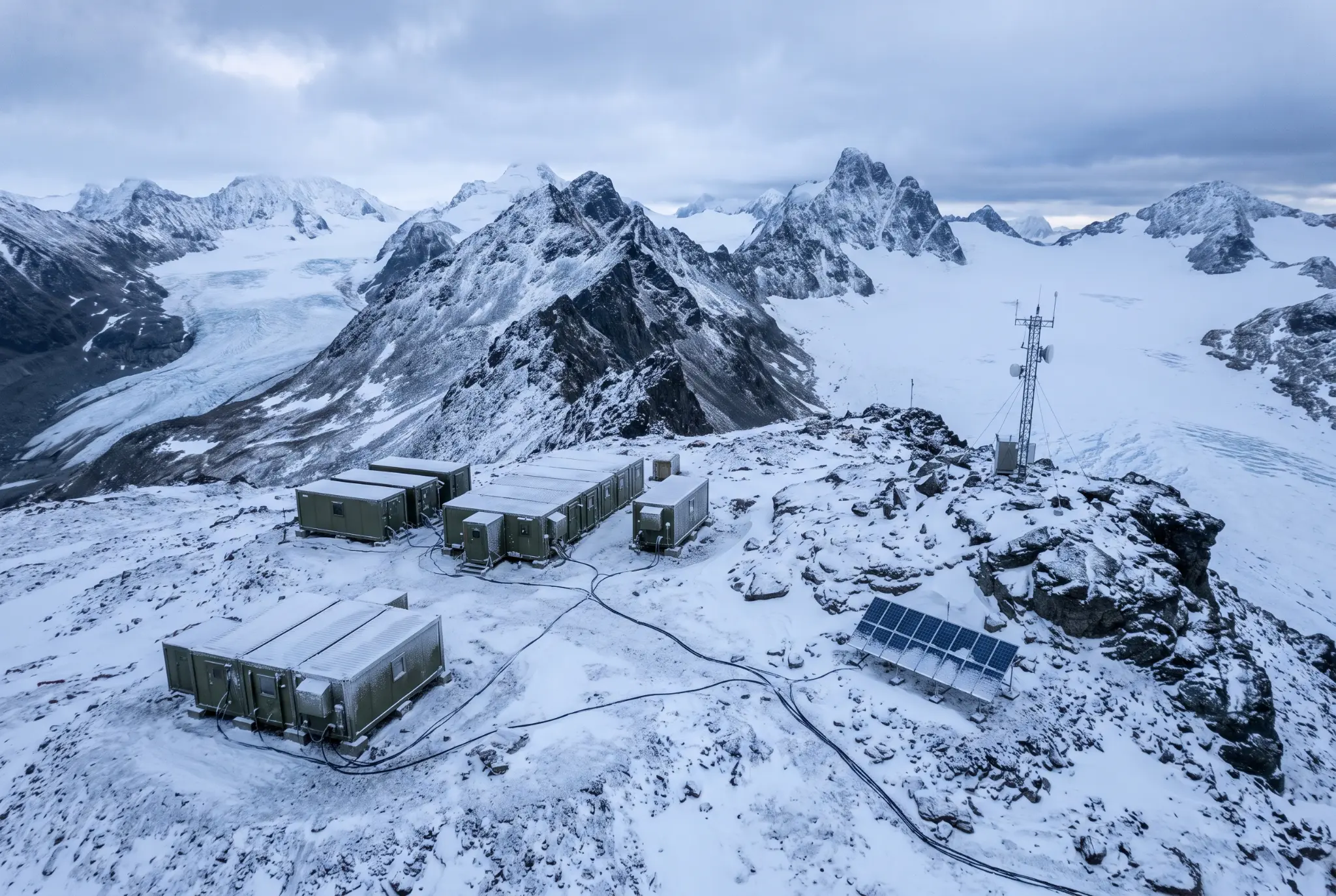
A telecom shelter is a collection of long antennas. The feeder, the GPS cable, the Ethernet to the microwave, the AC receiver each one is an entry path. Tower companies already know diesel and grid outages. Fewer specs treat monsoon lightning India 2026 as a line-protection problem. The radio resets. The rectifier takes a hit. The site is “up” on paper and down on air.
A CCTV estate is worse than it looks. Outdoor cameras sit on poles. The cable back to the NVR is often coaxial or copper PoE, run along a parapet or a compound wall. One induced surge on that run can take the camera, the injector and the recorder in the same pulse. The facility manager sees a black wall of tiles and assumes the IT vendor. The IT vendor assumes the electrical vendor. The electrical vendor points at the rod on the roof.
Plants and hospitals add a third path: bonded metal. Water pipes, cable trays, structural steel and gas lines all share the building. A surge that enters on one conductor will look for a reference. If the reference is poor, it finds the nearest electronics.
This is surge protection for telecom towers and campuses in one sentence: stop the pulse on the line before it becomes a voltage across a chip.
The stack that actually holds
Three layers. Miss one and the other two under-deliver.
1. External lightning protection
Air terminals and down conductors sized for the structure, with a tested earth. This is the IEC 62305 outer shell. Rasnal designs this layer for towers, plants and campuses from Chandigarh across North India. It is necessary. It is not sufficient for electronics.
2. Surge protection devices on the conductors
Put an SPD at the point the line enters the protected zone
- Power incomer: a Type 2 / Class C device on the distribution board that feeds electronics.
- Camera and RF feeds: a coaxial surge protector in-line on the antenna or analogue video run.
- Network cameras and access points: an RJ-45 surge protector for PoE so the same pulse does not ride Ethernet into the switch.
The device has to be chosen for the line, not “an SPD” in the abstract. A power SPD does nothing for a coaxial port
The device has to be chosen for the line, not “an SPD” in the abstract. A power SPD does nothing for a coaxial port.
3. A low-impedance reference digital earthing
SPDs dump energy into earth. If earth is a wet-season pit that dries out in October, or rock you cannot drive a rod into, the residual voltage stays high. That is the job of a digital grounding device such as Rasnal VKP-1-AC (single-phase, 120 kA) or VKP-03-AC (three-phase, 240 kA). The unit creates a low-impedance path and converts surge energy instead of hoping the soil cooperates. It is specified for LPZ 1–2, tested to IEC 61643-11 and JSS 55555-2012, and used where a conventional pit is unreliable.
The three layers are one system. A rod without SPDs leaves the cables open. SPDs without a working reference leave residual voltage on the board. Digital earthing without line protection leaves the coaxial and PoE ports exposed.
Where hybrid power fits and where it does not
Storms do two things at once. They surge the lines. They also drop the grid.
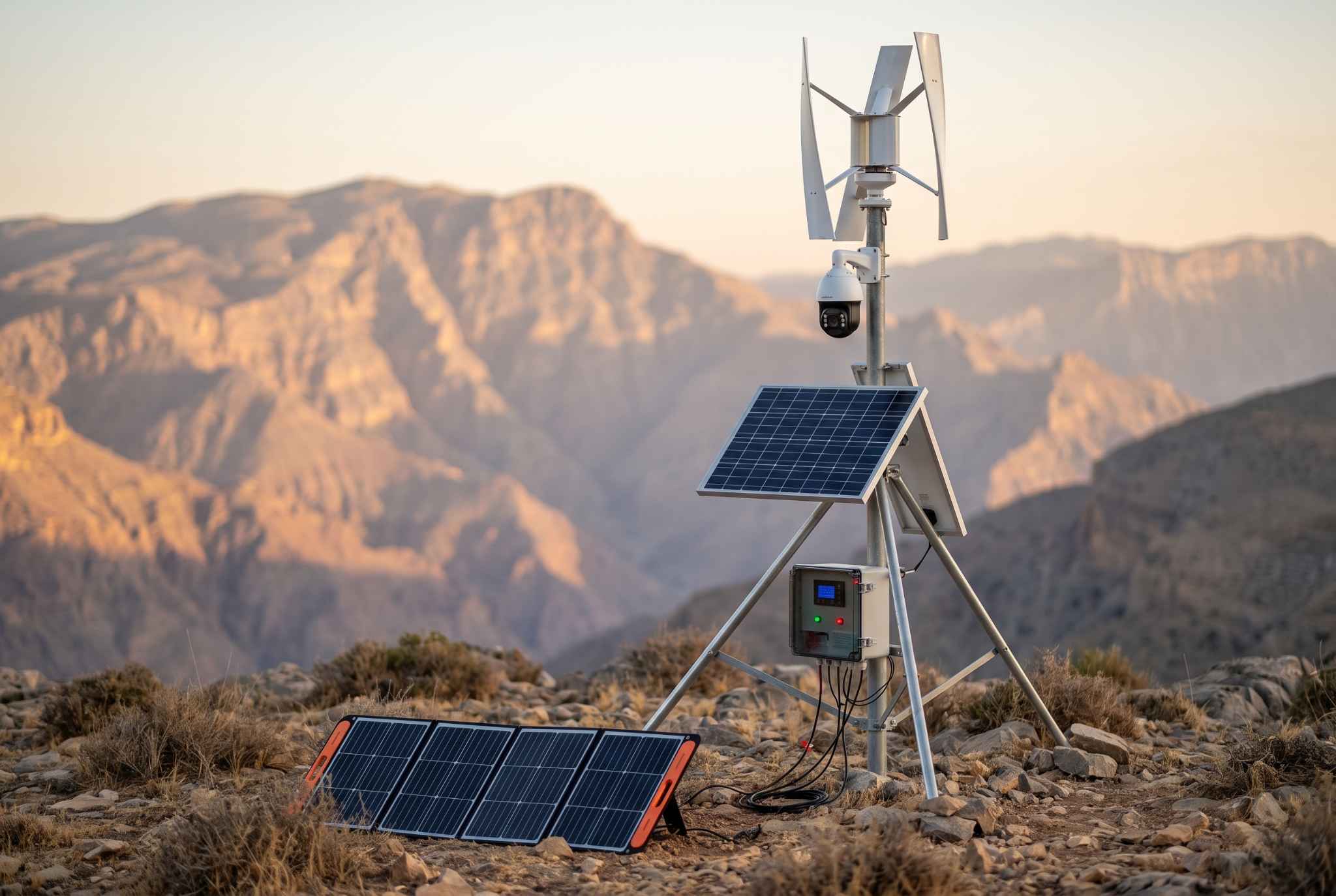
If the site is a remote tower, a pole-mount camera or a shelter that already runs on solar and battery, protection and power have to be specified together. Rasnal’s Hybrid Power Network Switch is the power side of that conversation: solar-first charging, battery, PoE, and inbuilt digital earthing in an outdoor enclosure. It is not a substitute for a lightning rod. It is what keeps the camera and the radio alive when the feeder is dirty or missing.
If you are writing a tender, keep the two line items separate: lightning and surge protection as one package, hybrid power as the off-grid package. Then make sure they share a reference.
What “good enough” looks like on a drawing
A facility manager or EPC does not need a research paper. They need a checklist that survives a monsoon review.
- Structure: external LPS designed to IEC 62305, with down conductors and bonds that do not share a random column with the IT earth.
- Power: SPD at the electronics board, not only at the utility incomer 80 metres away.
- RF and video: coaxial SPD at the entry, one per exposed run.
- Data: PoE SPD before the switch.
- Reference: a digital grounding device on the same zone as the load, sized for single- or three-phase.
- Documentation: a one-page zone sketch. If you cannot draw LPZ 0 / 1 / 2 on the plan, the spec is not finished.
Hospitals, airports and commercial campuses should add a test interval. Lightning protection for electronics is not a one-time civil item. Connections loosen. SPDs age after events. Digital earthing units that log surge counts earn their keep here you can see whether the season was quiet or whether the site took hits nobody reported.
Who this is for
If you operate telecom towers or an ISP backhaul, the failure mode is airtime and SLA. If you run a plant, it is PLC and instrumentation. If you manage a hospital or campus, it is cameras, access control and nurse-call sitting on the same dirty copper. If you are an electrician or a local contractor, it is the call-back in October when the NVR is dead and the rod on the roof is still standing.
Homeowners and shop owners in high-surge belts sit in the same physics at a smaller scale. A hybrid inverter, a CCTV kit and a broadband ONT will fail on an induced surge just as a tower radio will. The stack shrinks. The idea does not.
What to do next
Do not wait for the next district headline to write the spec.
- Send Rasnal a single-line site type: tower, plant, campus, hospital, shop, or home-solar.
- List the exposed cables power, coaxial, CAT6/PoE.
- Book a site survey from Chandigarh covering Punjab, Haryana, Himachal Pradesh and Delhi NCR, or a remote spec review for sites further out.
Call +91 94172 88831 or write to info@rasnal.com. Start at Rasnal lightning protection and the product pages linked above.
The storm will not read your purchase order. The electronics will see whatever you left on the line.
Frequently Asked Question
1. Does a lightning rod on the roof protect my cameras and computers?
No. The rod protects the building from a direct hit. Cameras, NVRs, radios and servers fail on induced surges that travel down power, coaxial and network cables. Those lines need their own surge protectors and a proper earth reference
2. What is an induced lightning surge?
It is a voltage spike created when lightning strikes near a site, not on it. The pulse couples onto cables and metalwork and arrives at equipment terminals in microseconds. That is the usual reason electronics die with no mark on the terrace.
3. Do telecom towers need more than a lightning arrestor?
Yes. A tower has long feeders and power cables. Specify surge protection on the RF and power entries, plus a low-impedance earth. A single arrestor at the top of the mast does not cover the shelter electronics.
4. Can I use the same surge protector on power and on a camera cable?
No. Power, coaxial and PoE are different lines. Use a power SPD on the board, a coaxial surge protector on video or RF, and an RJ-45 / PoE protector on network cameras.
5. We already have an earth pit. Why add a digital grounding device?
A pit depends on soil. Rock, sand, dry seasons and hill sites often cannot hold a low resistance. A digital grounding device gives electronics a low-impedance path that does not wait on the monsoon to wet the soil.
Explore Categories
.webp)
Digital Grounding devices
Industrial & Network Solutions
Solar & Smart Energy
Fire Safety Systems
Surge Protection
CCTV & Security
Solar Energy