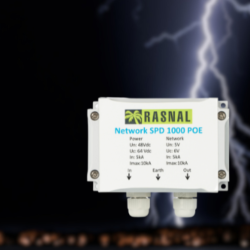

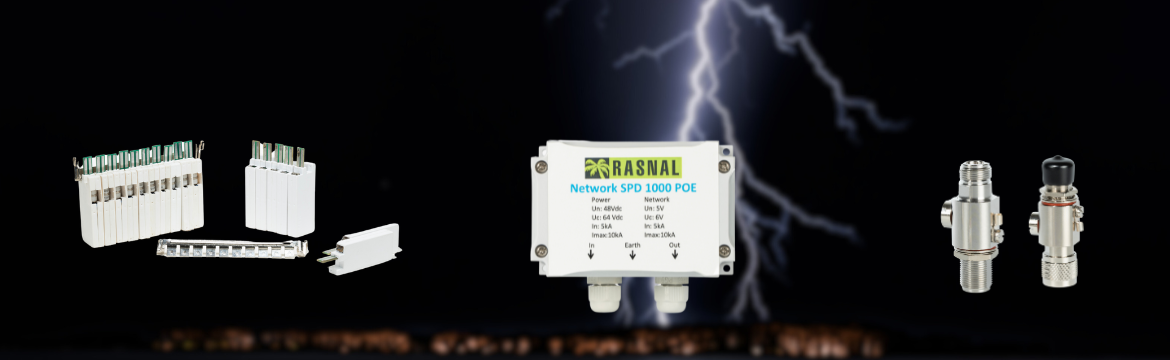
When people think about “power problems,” they imagine blackouts. But the truth is, the real danger usually comes from something you can’t see, sudden voltage spikes. These spikes last for microseconds, yet they are strong enough to damage CCTV cameras, servers, routers, modems, PoE switches, telecom equipment, industrial controllers, and even sensitive home electronics.
This is where surge protection devices (SPDs) become essential. Whether you’re safeguarding a home office, a retail store, a factory, or a remote telecom tower, surge protection is no longer optional; it’s a must-have layer of safety.
What is a Surge Protection Device and Why Do You Need One?
A surge protection device is designed to block, absorb, or redirect excess voltage before it reaches your equipment. Think of it as a pressure valve that protects your electronics from sudden shocks.
Voltage spikes usually come from three sources:
- Lightning strikes (direct or indirect)
- Faulty wiring or switching of heavy electrical loads
- Instability in power lines, telecom lines, and data networks
Many people assume this only affects “big industries,” but surge damage is everywhere:
- CCTV cameras burning during monsoon season
- PoE switches going offline
- Broadband modems failing
- Fiber converters and network devices getting damaged
- Industrial PLCs and sensors malfunctioning
If your equipment is connected to power lines, coaxial cables, or Ethernet lines, you are at risk.
Why Surge Protection Matters More Today Than Ever
Our world now runs on electronics: high-speed data, connected devices, automated systems, and uninterrupted communication. Every home and business relies on some form of digital equipment. Even a single voltage spike can stop operations, corrupt data, or shut down surveillance causing financial and security risks.
Three major trends have increased the importance of SPDs:
More outdoor equipment, CCTV towers, telecom poles, solar power systems, and Wi-Fi nodes are directly exposed to lightning.
- More sensitive electronics, Modern devices have smaller circuits that fail easily under stress.
- Higher dependency on connectivity When your network goes down, work stops.
- This is why electrical experts now recommend using multi-layer protection, not just basic power surge arrestors.
Different Types of Surge Protection Devices (and Where You Need Them)
To protect your entire system, you need SPDs at different layers. Here are the most important ones:
- Coaxial Surge Protector (For CCTV, antennas, RF & wireless links)
Coaxial cables carry high-frequency signals for cameras, antennas, and wireless radios. They are extremely sensitive to lightning-induced surges.
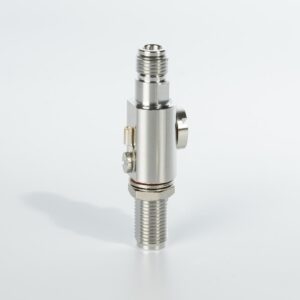
A coaxial surge protector safeguards:
- CCTV cameras on towers
- Wireless access points
- Radio and RF communication devices
- RJ45 Surge Protector for PoE & Network Devices
Ethernet lines are one of the biggest entry points for surges. A lightning strike near your building can travel through outdoor LAN cables and burn cameras, NVRs, PoE switches, and routers.
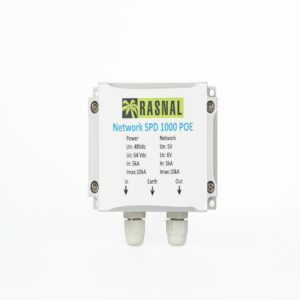
An RJ45 surge protector is essential for:
- PoE cameras
- NVR/DVR systems
- Wi-Fi access points
- Network switches
- Industrial Ethernet lines
- Multi-Layer Surge Protection Units (Layered defense for harsh environments)
Single-stage SPDs are no longer enough for critical sites. High-risk locations need multi-layer protection that filters, clamps, and absorbs surges across several stages.
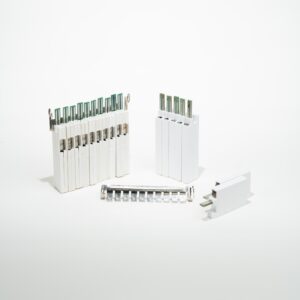
A multi-layer surge protection unit is ideal for:
- Telecom towers
- Industrial automation systems
- Solar power networks
- Data communication systems
- Remote infrastructure
Rasnal’s 5-stage IPM system gives advanced layered protection.
Where Should You Install Surge Protection Devices?
The mistake people make is installing only one SPD and assuming everything is protected.
In reality, proper protection needs three layers:
- At the main power entry
Protects your building from major lightning and grid spikes.
- At the distribution panel
Stops smaller surges from spreading internally.
- At the device level (PoE, coaxial, Ethernet, data)
Protects sensitive electronics like CCTV, routers, modems, controllers, and servers.
This layered approach ensures that even if one layer catches the main hit, the next layers protect your critical devices.
How Surge Protection Saves Money (Often Without You Realizing It)
Most equipment failures don’t look like “surge damage.” People assume the camera burned due to rain, or the router simply got old. But most failures happen silently due to repeated small surges.
How to Choose the Right Surge Protection Device
You don’t need to be an engineer. Just ask yourself a few questions:
What device am I protecting?
(CCTV, router, Wi-Fi, modem, server, PLC, etc.)
Which cable type does it use?
(Coaxial, RJ45 Ethernet, power line)
Is the site indoors, outdoors, or in a lightning-prone area?
High-risk areas need multi-layer protection.
Do I need grounding or earthing support?
Every good SPD needs a reliable grounding path for lightning and surge dissipation.
The clearer these answers are, the easier it is to pick the right SPD.
Why Rasnal Surge Protection is Trusted Across India
Rasnal focuses on industrial-grade protection built for India’s unpredictable weather conditions. Whether it’s lightning-prone regions, remote telecom sites, factory environments, or standard commercial spaces, Rasnal’s surge protection systems deliver:
- High surge handling capacity
- Fast response time
- Multi-level protection
- Easy installation
- Long-term reliability
From coaxial protection to multi-layer IPM units, every product is designed to keep your equipment safe and your operations uninterrupted.
Frequently Asked Questions:
- Do I need surge protection for CCTV?
Yes, outdoor cameras are highly vulnerable to lightning and line surges.
- Can Ethernet cables carry lightning?
Yes. Even indirect lightning can travel through LAN cables and damage PoE devices.
- Is grounding important?
Absolutely. A surge protector without good grounding cannot work properly.
- Does a UPS replace a surge protector?
No. A UPS protects from power cuts, not strong voltage spikes.
Surge protection is a small investment with a huge impact. From homes to industries to remote telecom sites, a well-designed surge protection system ensures safety, continuity, and peace of mind, especially in lightning-prone regions.
Whether you need a coaxial surge protector, an RJ45 PoE surge protector, or a multi-layer surge protection unit, Rasnal offers reliable, technical-grade solutions designed for long-term protection.