



Rising Fire Incidents in Tricity : A Critical Wake-Up Call for Electrical Safety
May 28, 2026
.webp)
In the rapidly growing Tricity region comprising Chandigarh, Mohali, and Panchkula fire incidents linked to electrical faults have become alarmingly frequent. Despite technological progress and urban development, a deep-rooted mindset persists across North India: “Kuch nahi hoga” (Nothing will happen) or “Aag lag hi nahi sakti” (Fire won’t break out here). This casual approach to fire safety is proving extremely costly, resulting in massive property damage, business downtime, and potential loss of life.
Electrical fires now account for a huge majority of urban fire incidents across India. In major cities like Delhi, over 80% of fires are attributed to electrical faults, while Mumbai sees nearly 75%. The National Crime Records Bureau (NCRB) data consistently highlights short circuits as one of the leading causes. In Tricity, the pattern mirrors this national crisis, with multiple high-profile fires occurring in 2026 alone.
These incidents are not random accidents. They stem from overloaded circuits, outdated wiring, poor maintenance, and the rapid adoption of high-power appliances like inverters, air conditioners, EV chargers, and lithium-ion battery systems without corresponding safety upgrades. This blog examines recent Tricity fires in detail, analyses their root causes, and explains why the HEAT Aerosol Fire Extinguishing Device represents a practical, game-changing solution for homes, shops, and industries in the region.
Detailed Analysis of Recent Tricity Fire Incidents and Their Causes
Deflo Club Fire, Sector 26, Chandigarh (May 14-15, 2026)
A major fire broke out at the popular Deflo Club in Sector 26, causing extensive damage to interiors, furniture, and fixtures. Fortunately, no casualties were reported as staff and guests evacuated promptly. Fire officials responded with multiple tenders, but the blaze had already caused significant losses.
Cause in Detail: Preliminary investigations pointed to a short circuit, possibly triggered during electrical work or from a faulty generator connection. Overloaded circuits combined with inflammable materials (curtains, upholstery, wooden fixtures) allowed the fire to spread rapidly. Prior inspections had noted inadequate fire safety measures, including missing or expired extinguishers. In enclosed commercial spaces like clubs and restaurants, electrical panels often run continuously with heavy loads from lighting, ACs, and kitchen equipment, creating ideal conditions for undetected overheating.
Sector 22 Mobile Market Fire, Chandigarh (March 18, 2026)
This incident stands out as one of the most devastating. A massive blaze engulfed multiple shops in the busy mobile phone market, particularly affecting a photography lab and surrounding showrooms. The fire required over 15 fire tenders and took several hours to control. Losses ran into several lakhs, with electronics, batteries, and shop inventory completely destroyed.
.png)
Cause Breakdown : Suspected short circuit in the upper floors, exacerbated by highly inflammable chemicals used in photo processing and a large number of lithium-ion batteries and chargers stocked in the shops. Overloaded power distribution in congested commercial buildings, combined with poor wiring maintenance, turned a small spark into a major inferno. This event painfully revived memories of a similar deadly fire in the same market in 2009.
Electrical Equipment Shop Fire, Industrial Area Phase II, Chandigarh (March 23-24, 2026)
A fierce fire gutted an electrical goods showroom (Plot 405-406), destroying cables, inverters, batteries, and other inventory. Thick smoke engulfed the area, making firefighting challenging.
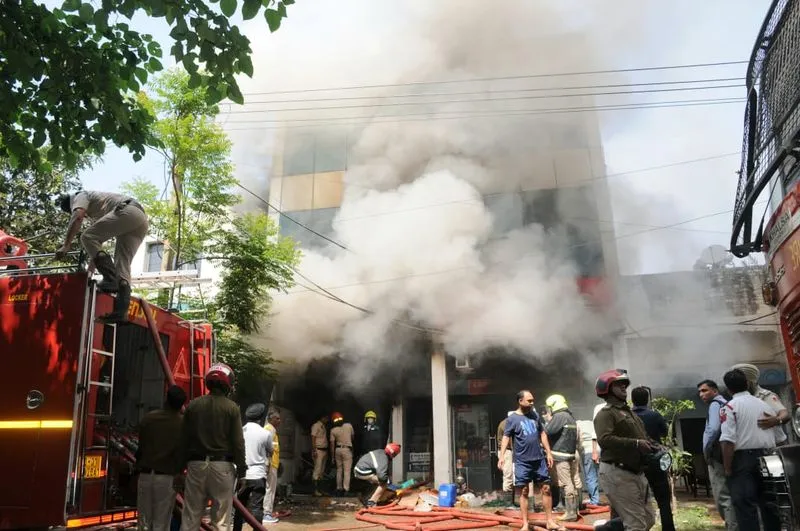
Cause in Depth: Direct evidence of short circuit in the electrical wiring or equipment on display. The presence of combustible materials like plastic insulation, stored lithium batteries, and inverters created a perfect storm. Industrial areas often have higher electrical loads due to machinery, testing equipment, and storage, increasing the probability of faults. Loose connections, voltage fluctuations common in the region, and lack of proper earthing further aggravated the situation.
Sector 36 Booth Market Fire, Chandigarh (April 2026)
A fire broke out in the bustling booth market due to a short circuit in electrical wires. While contained relatively quickly, it disrupted several businesses and highlighted vulnerabilities in smaller commercial setups.
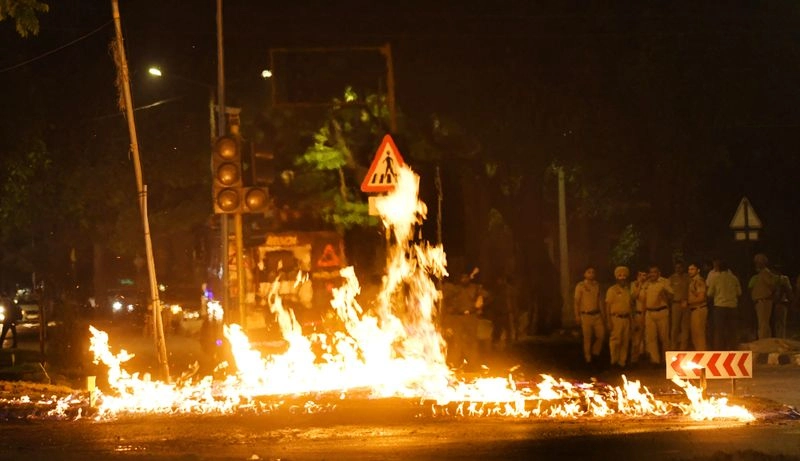
Cause: Simple but common ageing or damaged electrical wiring overloaded by multiple shops drawing power from shared connections. Such markets often have temporary extensions and poor-quality wiring, making them highly susceptible.
Other incidents, such as fires near EV-related spots in Mohali and PGI research block (suspected AC short circuit), further underline the pattern.
Why Electrical Fires Are Surging in Tricity and North India
Several interconnected factors drive this rise:
- Outdated Infrastructure : Many buildings in Tricity were constructed decades ago with wiring meant for low loads (fans and lights). Today, they power heavy appliances, ACs, EVs, and inverters.
- Overloading & Poor Practices : Extension boards, loose connections, substandard components, and lack of regular maintenance are rampant.
- Rising Load : Surging electricity demand, especially during summers, combined with voltage fluctuations.
- Enclosed Spaces : Fires in MCB boards, battery rooms, and panels often go unnoticed until they escalate.
- Mindset Gap : The “it won’t happen to me” attitude delays proactive safety measures.
Traditional manual extinguishers or bulky systems fail here because fires start inside locked enclosures where no one is present to react immediately.
How the HEAT Aerosol Fire Extinguishing Device Works and Why It’s Superior
The HEAT Aerosol Fire Extinguishing Device is a compact, standalone, automatic solution engineered precisely for these high-risk scenarios. Unlike traditional systems, it requires no wiring, no external power, no sensors, and virtually no maintenance.
Working Mechanism:
- Installed directly inside the enclosure (electrical panel, battery rack, EV charger cabinet, etc.).
- It monitors temperature continuously.
- Upon detecting rapid heat rise (indicating fire), it activates automatically and releases a potassium-based aerosol.
- The aerosol interrupts the chemical chain reaction of combustion at a molecular level, extinguishing the fire within seconds.
- It leaves minimal residue, is non-corrosive, non-conductive, and safe for sensitive electronics and lithium batteries.
Key Advantages:
- Ultra-Fast Response: Suppresses fire at the source before it spreads.
- Set & Forget: Ideal for the busy North Indian lifestyle — install once and forget.
- Versatile Applications: Perfect for MCB boards, inverter rooms, lithium battery systems, EV chargers, telecom cabinets, industrial control panels, and server rooms.
- Cost-Effective: Prevents losses worth lakhs at a fraction of the price of damage or downtime.
- Environmentally Safer: No water damage, no messy powder, and long service life (often 5-10+ years).
In the Tricity fires mentioned above, a HEAT device installed in the main electrical panels or battery storage areas could have detected the initial heat surge and extinguished the fire instantly, saving businesses from massive destruction.
Real-World Relevance for Tricity Residents and Businesses
Whether you are a shopkeeper in Sector 22, a homeowner with solar + inverter setup, an industrialist in Mohali, or an EV charging station operator, the risks are real and present. The HEAT device directly addresses the “precaution nahi chahiye” mindset by offering a hassle-free, reliable layer of protection.
Target Users:
- Commercial establishments (markets, restaurants, offices)
- Industries and warehouses
- Residential societies with common electrical rooms
- EV owners and charging infrastructure
- Telecom and IT setups
Cost vs Benefit Analysis
A single major fire can cause losses from ₹5 lakhs to several crores, including inventory, property repair, business interruption, and legal liabilities. In contrast, installing HEAT devices costs only a few thousand rupees per unit, with almost zero recurring expenses. The return on investment is immediate in terms of peace of mind and risk reduction.
Act Before the Next Incident
The fires in Sector 26, Sector 22, Industrial Area, and Sector 36 are not isolated events they are symptoms of a larger, growing problem. Continuing with the old mindset of ignoring precautions is no longer sustainable in 2026.
The HEAT Aerosol Fire Extinguishing Device offers a modern, automatic, and dependable way to protect what matters most. Don’t wait for a short circuit to remind you of the importance of safety.
Secure your electrical systems today. Contact our team for a free site assessment and installation across Chandigarh, Mohali, Panchkula, and surrounding areas.
Stay safe. Stay protected.
Explore Categories
.webp)
Digital Grounding devices
Industrial & Network Solutions
Solar & Smart Energy
Fire Safety Systems
Surge Protection
CCTV & Security
Solar Energy